In the heart of every sincere Muslim, there exists an unwavering love for our Holy Prophet Muhammad ﷺ — manifested by the recitation of Naat Sharif. This poetry form is written to praise and honor the Prophet’s character and message. Naat is an age-old form of mystical communication, prayer, and meditation. It is more than simple words — it is a supplication, a song of belief, and a prayer between the soul and eternity.
With distractions reigning supreme in this fast-paced world, finding inner peace has become a rarity. This is where Naat and spiritual harmony resonate with our higher purpose – to connect our hearts with Allah through the deep love of His Messenger ﷺ.
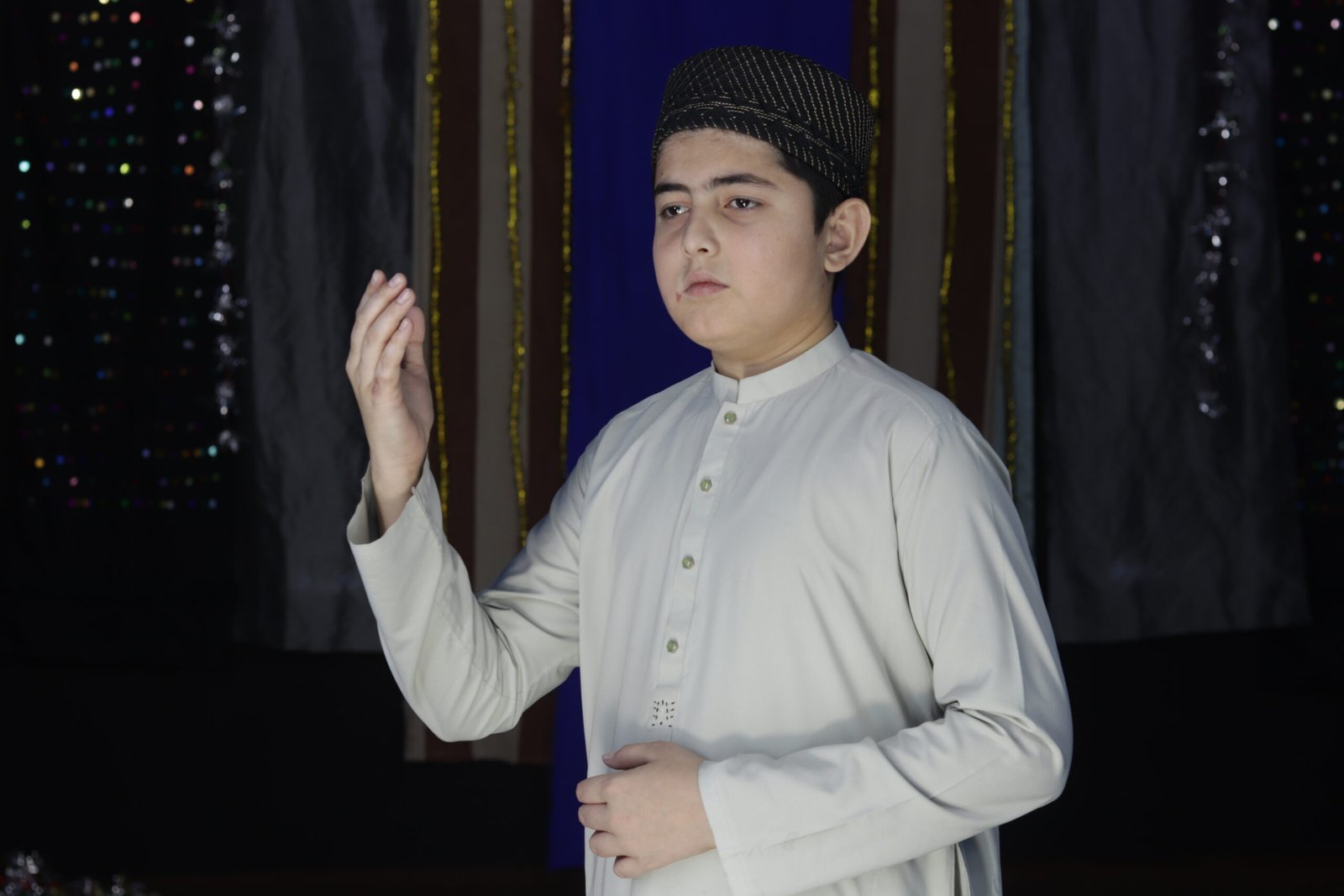
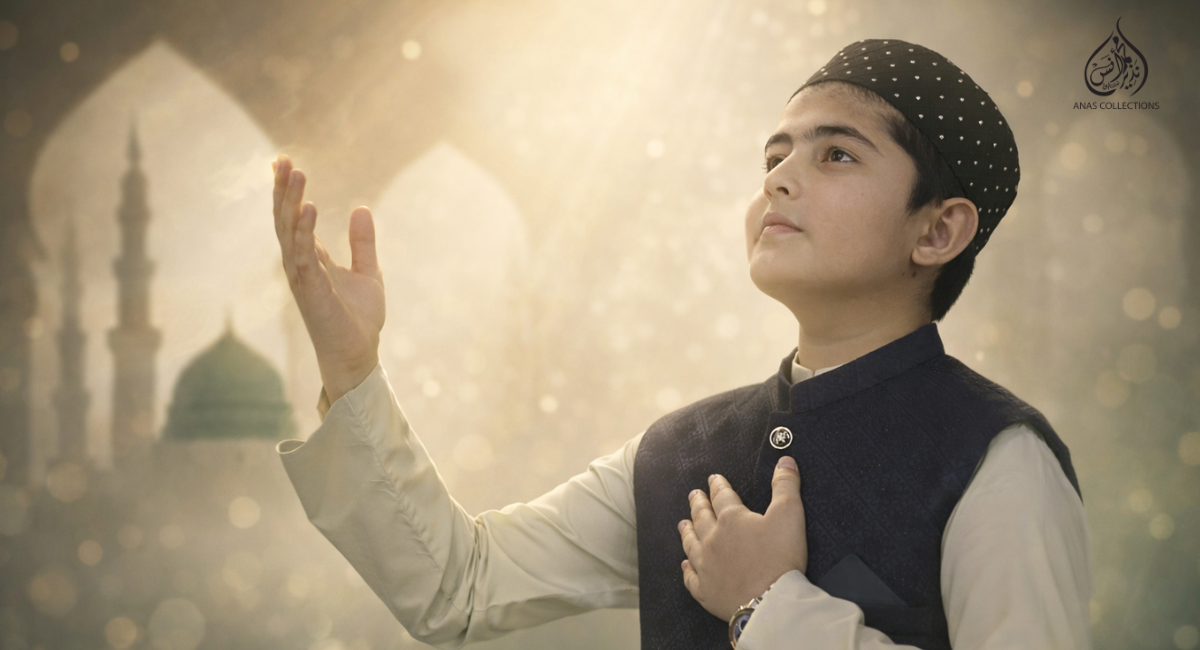
In modern times, the tradition continues, and Naat Khawans are now accessible globally. Muhammad Anas is a prominent figure in this space, with an amazing voice that touches hearts in Pakistan and around the world, bridging the gap between tradition and modern spirituality.
Naat is an honored and well-loved poetic tradition in Islamic culture. It originated in the time of Rasulullah ﷺ when his companions used to venerate and eulogize him in poetry. The Messenger of Allah ﷺ was defended and praised through poems by Hassan ibn Thabit (RA), known as the first Naat Khawan of Islam.
Naat, in Islam, is the art of poetry dedicated to the praise and respect of Muhammad ﷺ. Over the years, poets throughout history wrote odes in praise of the Prophet, which were later crafted into new forms by legends like Shams Tabrizi and Maulana Rumi. Urdu Naat became particularly popular in the Mughal era, encapsulating a fusion of poetic beauty and profound spiritual invocation.
Along the vast expanses of the subcontinent, Naat recitation created not only a mode for emotional expression but also brought people together in rhythm and voice. This ancient tradition is alive today, available on digital platforms and through live performances by artists like Muhammad Anas, who amplifies the beauty of its portrayal.
The connection between Naat and spiritual harmony is deep and transformative. When a Mumin (believer) listens to Naat or recites it, the heart becomes gentle, the soul gets cleansed, and the spirit rises with love for Allah (SWT) and His Messenger ﷺ.
Reading or hearing Naat helps boost both inner and outer faith. The verses echo the teachings of the Prophet — mercy, humility, kindness, and patience — leading us to introspection and righteousness.
Naat is the remedy for the heart. Its lyrical verses and comforting melody can ease anxiety, sorrow, and worldly worries, bringing profound emotional peace.
The love of the Prophet ﷺ is the core of our Deen (faith). Via soul-stirring renditions, the faithful renew their relationship with Allah and re-affirm their faith in Islam, establishing true Naat and spiritual harmony.
There are many well-known Naat Khawans in the world, including the late Junaid Jamshed, Owais Raza Qadri, and now, Muhammad Anas. His Naats are the perfect mix of old traditional tunes and modern voice clarity—they take you into a state of nostalgia while maintaining peace within.
In his recitals, Muhammad Anas induces in listeners a longing to return to their spiritual core — an appeal to take a brief break from this world’s madness and sense the magnitude of divine serenity. His interpretations, from “Noor-e-Madina” to “Lab Pe Aati Hai Dua,” are not simply performances — they are acts of love, prayers of the soul, and reminders of faith.
In a time dominated by digital noise, one route to a balanced life is found in spirituality. Naat and spiritual harmony provide exactly that: A spiritual escape through the remembrance of the Prophet ﷺ.
Here’s how it feeds into modern spiritual life:
The sounds of Naat are rhythmical and spiritual in tone. It opens up the heart, settles it, cleanses thoughts, and brings the believer closer to Allah.
Every mention is a reminder of the mission of the Prophet ﷺ, which was to spread peace, justice, and compassion. It rekindles our purpose as Muslims.
Through these echoes, a person feels God’s mercy and the love of the Prophet, achieving a state of Naat and spiritual harmony.
Naat is not poetry in the usual sense — it’s a devotional chant. When Muhammad Anas recites a Naat, the word comes to life – not just in tune but with feeling, sincerity, and spirituality. The words go deep within the heart, converting feelings into pure dedication.
Muhammad Anas has become a revivalist of the religious spirit through his love for Naat recitation. His recitals remind us that the love for the Prophet ﷺ is not practiced through words only; it is a way of life.
He hopes to bring the youth towards spirituality through art, sound, and poetry — showing that Naat and spiritual harmony are timeless and deeply transformative. The structure of the message is straightforward, but its meaning is heavy: It’s when you truly praise the Prophet ﷺ, that your soul is at ease, your heart feels satisfied, and life gets a direction.
Naat and spiritual harmony are inseparable — one cannot survive without the other. Naats resonate not just because of the beauty in their melody, but also for their message — a reminder to live with love, faith, and humility.
Thanks to the likes of Muhammad Anas, Naat continues to illuminate and guide countless believers. Whether on stages, in masjids, or private homes, Naat remains a powerful medium of respect for the Holy Prophet of Islam. May all listeners find comfort and love each time they listen to a new verse.
1. How does Naat and spiritual harmony relate to mental peace?
Naat and spiritual harmony are deeply connected as the recitation of Naat acts as a form of meditation and Dhikr. Listening to the praises of the Prophet ﷺ soothes the mind, reduces anxiety, and connects the listener to a higher spiritual purpose, resulting in mental peace.
2. Can listening to Naat recitation strengthen my faith?
Yes, listening to Naat is a powerful way to strengthen faith. It reminds Muslims of the sacrifices, character, and teachings of the Prophet Muhammad ﷺ, which revitalizes the spirit and reinforces the bond between the believer and Allah.
3. Why is Muhammad Anas considered a modern voice for Naat?
Muhammad Anas is considered a modern voice because he bridges the gap between traditional Naat recitation and the contemporary digital generation. His clear voice, soulful delivery, and presence on social media platforms make the concept of Naat and spiritual harmony accessible to the youth of today.
4. What are the key benefits of attending Naat gatherings? Attending Naat gatherings promotes unity, brotherhood, and spiritual cleansing. It provides a communal space where people can collectively experience Naat and spiritual harmony, detach from worldly distractions, and focus on the love of the Prophet ﷺ.
5. Is Naat recitation only for specific Islamic occasions?
No, while Naat is popular during occasions like Eid Milad-un-Nabi or Ramadan, it is a daily practice for many. Seeking Naat and spiritual harmony is a continuous journey, and listening to Naat can be a part of a Muslim’s everyday spiritual routine.